Aluminium and Glass Installation Process Kenya: 2026 Guide to Design, Cost & Installation | Formlab Kenya
Step-by-Step Process of Aluminium and Glass Installation Explained
Aluminium and glass installation is a structured process that moves from design to fabrication and final on-site fitting. In Kenya, factors such as site conditions, environmental exposure, and material selection play a major role in how systems perform over time.
At Formlab Kenya, installation is approached as a design-to-execution workflow, ensuring that what is designed can be practically built, installed efficiently, and maintained long-term.
What Is the Aluminium and Glass Installation Process?
The aluminium and glass installation process involves site assessment, design, fabrication, delivery, installation, and finishing. Each stage ensures proper fitting, durability, and compliance with Kenyan construction standards.
Step 1: Site Inspection and Measurement
Site inspection involves assessing the building structure, taking accurate measurements, and identifying installation challenges. This step ensures that fabricated systems fit correctly and perform as expected.
This is one of the most critical stages because construction tolerances in Kenya vary widely.
What Happens During Site Inspection?
- Measurement of window and door openings
- Checking wall alignment and finishing levels
- Identifying structural support points
Explore window systems:
Aluminium Windows in Kenya
Kenyan Reality
- Residential homes often have uneven plaster finishes
- Commercial buildings require stricter tolerances
Step 2: Design and Material Selection
Design and material selection determine the system’s functionality, durability, and cost. Choosing the right aluminium profiles and glass type ensures structural performance and safety.
Key Materials Explained
- Aluminium profiles: Structural frames (typically 1.2mm–2.0mm thick)
- Tempered glass: Heat-treated for safety and strength
- Laminated glass: Bonded layers for impact resistance
Use Case Examples
- Office partitions → laminated or tempered glass
- Balcony railings → laminated safety glass
- Sliding doors → thicker glass for stability
Explore door options:
Aluminium Doors in Kenya
Step 3: Fabrication of Aluminium Frames
Fabrication involves cutting, assembling, and preparing aluminium frames according to site measurements. Precision at this stage ensures smooth installation and proper alignment.
Fabrication Process
- Cutting aluminium profiles
- Joining frames using brackets and fasteners
- Fitting glass into frames (where applicable)
Why Fabrication Matters
- Determines final fit and finish
- Affects system durability
- Reduces on-site errors
Step 4: Delivery and Site Preparation
Delivery and preparation ensure that materials arrive safely and the site is ready for installation. Proper handling prevents damage and delays.
Preparation Includes
- Cleaning installation areas
- Ensuring openings are ready
- Organizing tools and materials
Kenyan Insight
- Dust-heavy environments require cleaning before installation
- Urban sites may require phased delivery due to space constraints
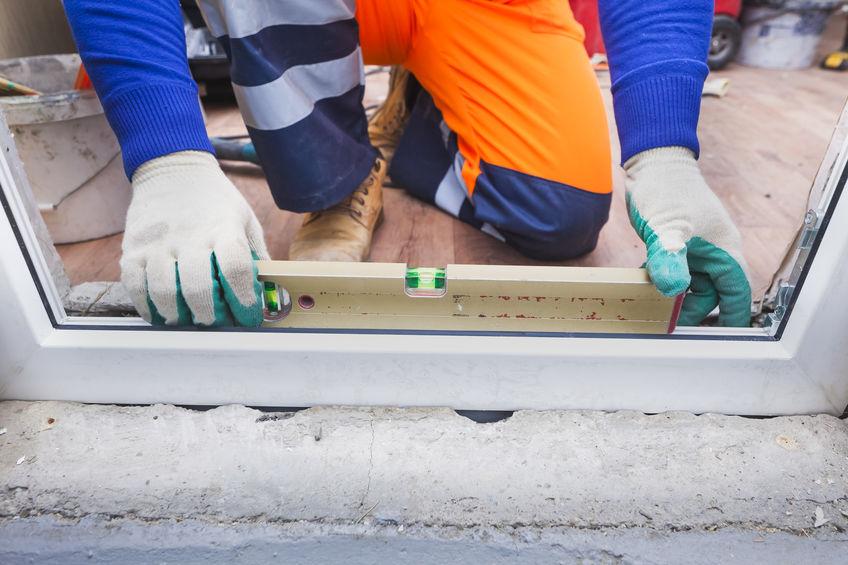
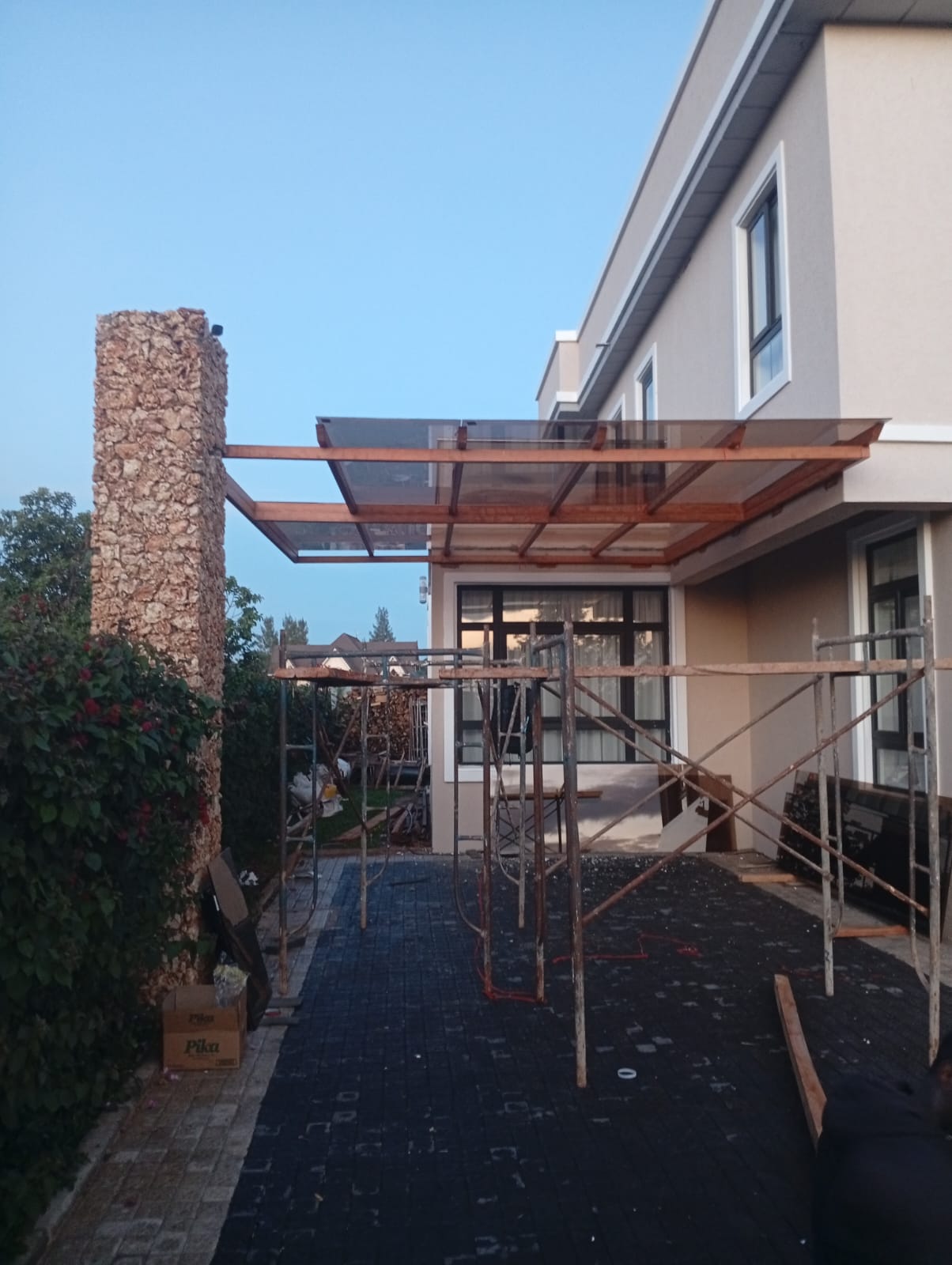
Step 5: Installation and Alignment
Installation involves fixing aluminium frames into position, aligning them properly, and securing them structurally. Proper alignment ensures smooth operation and long-term durability.
Installation Activities
- Positioning frames into openings
- Anchoring frames securely
- Aligning for smooth operation
See related systems:
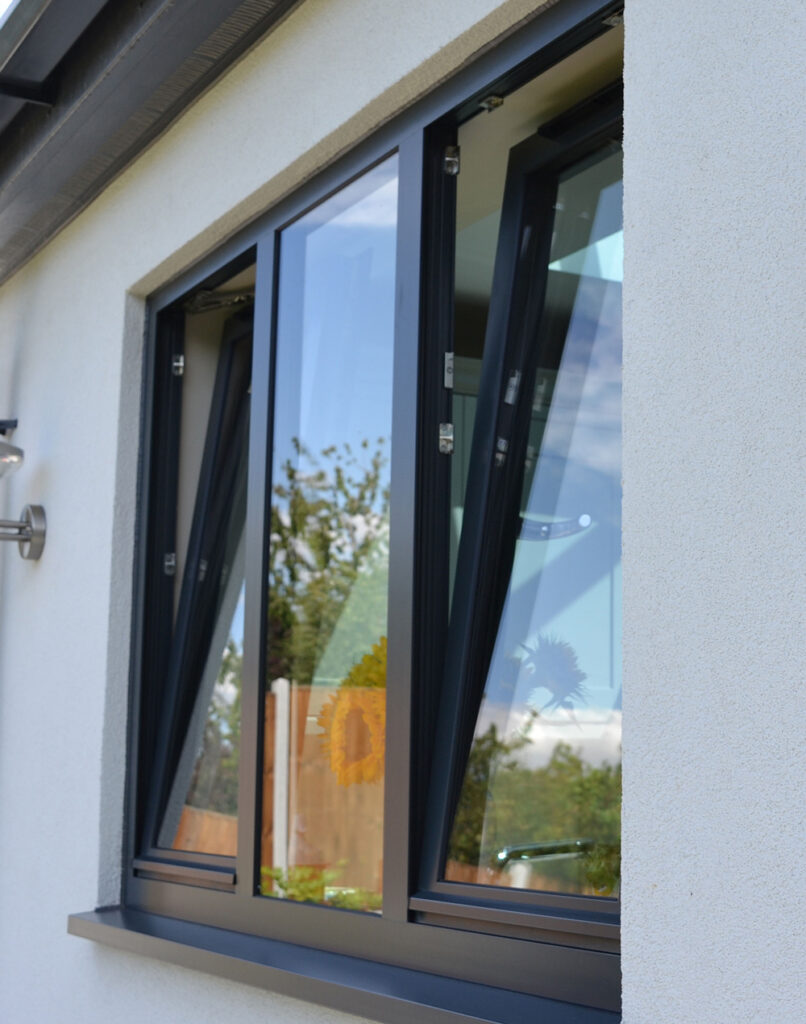
Sliding Windows |
Awning Windows
Where Precision Matters Most
- Large sliding doors
- Glass curtain walling systems
Explore façade systems:
Glass Curtain Walling
Step 6: Sealing and Finishing
Sealing and finishing involve applying silicone, sealing gaps, and completing final touches. This step ensures waterproofing, dust resistance, and aesthetic quality.
Key Finishing Elements
- Silicone sealing
- Edge finishing
- Cleaning glass surfaces
Why It Matters in Kenya
- Nairobi dust requires tight sealing
- Rain exposure tests waterproofing quality
Step 7: Final Inspection and Quality Testing
Final inspection ensures all systems function correctly, meet safety standards, and are properly installed. Testing confirms durability and performance before project handover.
Quality Checks Include
- Opening and closing systems
- Checking seals and joints
- Inspecting glass safety and alignment
Application example:
Glass Balustrades
How Long Does Installation Take in Kenya?
Most residential aluminium and glass installations take 1–3 days, while large commercial projects may take several weeks depending on complexity and scale.
Typical Timelines
- Small residential project → 1–2 days
- Medium home project → 2–5 days
- Commercial façade → weeks
Environmental Considerations in Kenya
Environmental factors such as dust, UV exposure, wind pressure, and coastal corrosion affect installation quality and system lifespan. Proper material selection and sealing are essential.
- Nairobi: dust and UV exposure affect seals
- Mombasa: salt air causes aluminium corrosion
- Rift Valley: strong winds require reinforced systems
Technical Specifications (Typical Installation Setup)
| Parameter | Specification |
|---|---|
| Glass Thickness | 6mm – 12mm tempered / laminated |
| Frame Material | Aluminium |
| Finish | Powder-coated / anodized |
| Application | Windows, doors, partitions |
| Lifespan | 15–25 years |
| Maintenance | Low |
FAQs
What is the process of aluminium installation?
The process includes measurement, design, fabrication, installation, sealing, and final inspection.
How much does installation cost in Kenya?
Costs depend on materials, design complexity, and project size, but professional installation offers better long-term value.
How long does aluminium installation take?
Most residential installations take 1–3 days, while commercial projects take longer.
What type of glass is used?
Tempered and laminated glass are commonly used for safety and durability.
Do aluminium systems require maintenance?
They require minimal maintenance, mainly cleaning and occasional inspection.
Conclusion
Understanding the aluminium and glass installation process helps ensure better decision-making, cost control, and long-term performance. Each stage—from measurement to final inspection—plays a critical role in system durability and safety.
Contact Formlab Kenya
hmk@formlab.co.ke
Call/WhatsApp: +254 721 778844
Sameer Park, Mombasa Road, Syokimau, Nairobi
Mon–Fri: 08:00 – 17:30 | Sat: 08:00 – 12:00
Why Choose Formlab Kenya
- Design-to-build expertise
- Premium aluminium & glass systems
- Collaborative project approach
- Tailored solutions for every budget
Get started with Formlab Kenya