Factors That Affect Aluminium and Glass Prices in Kenya
Aluminium and glass systems are essential components in modern construction projects across Kenya. From aluminium windows and sliding doors to office partitions and facade systems, pricing can vary significantly depending on materials, design requirements, and installation conditions.
Understanding what affects aluminium and glass prices helps homeowners, architects, developers, and contractors budget accurately while selecting systems that balance durability, performance, and aesthetics.
At Formlab Kenya, project pricing is approached practically—ensuring that systems are not only visually appealing but also structurally suitable and cost-efficient for Kenyan conditions.
What Determines Aluminium and Glass Prices in Kenya?
Aluminium and glass prices in Kenya are mainly influenced by material quality, glass specification, fabrication complexity, hardware selection, and installation requirements.
Pricing varies because every project has different structural needs, design expectations, environmental conditions, and performance requirements.
How Does Aluminium Profile Quality Affect Pricing?
Higher-quality aluminium profiles cost more because they offer better durability, corrosion resistance, structural stability, and finish consistency.
Types of Aluminium Profiles
- Standard profiles → affordable, basic performance
- Heavy-duty profiles → stronger and more durable
- Thermally broken profiles → improved insulation
Why Quality Matters
- Low-quality profiles may warp over time
- Fade under UV exposure
- Corrode faster in coastal areas
How Does Glass Type Affect Cost?
Glass pricing depends on thickness, safety performance, insulation properties, and finishing requirements.
Common Glass Types in Kenya
- Clear glass → windows & partitions
- Tempered glass → safety systems
- Laminated glass → balustrades & facades
- Frosted glass → privacy applications
- Double-glazed glass → energy efficiency
Tempered vs Laminated Glass
Tempered Glass
- More affordable
- Heat-treated for strength
- Common in office partitions
Laminated Glass
- More expensive
- Better safety performance
- Used in balconies and facades
Explore related systems: Glass Balustrades & Systems Portfolio
Does Design Complexity Increase Costs?
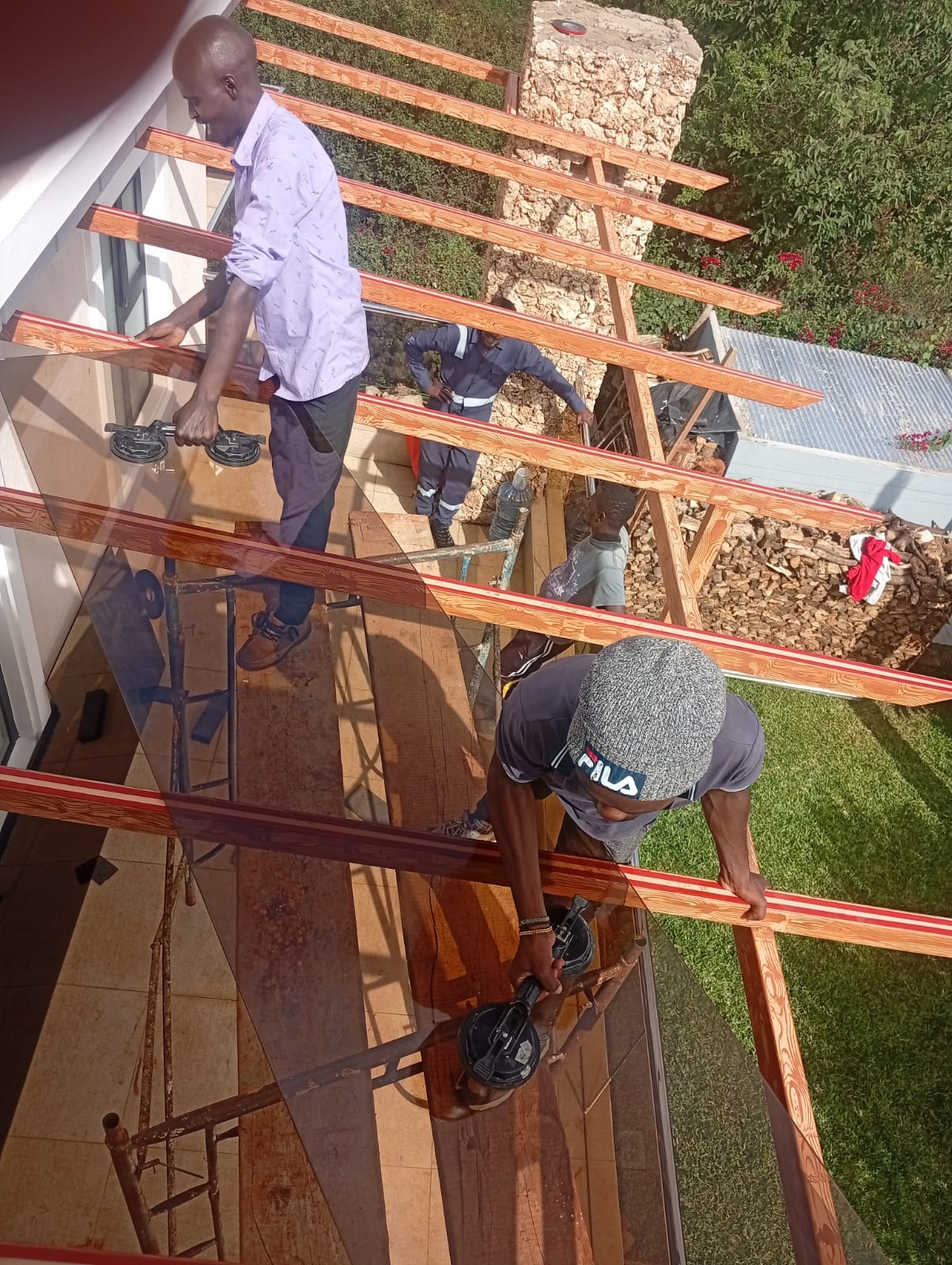
Complex aluminium and glass designs increase pricing because they require specialized fabrication, additional labor, and advanced installation techniques.
Expensive Design Features
- Curved glass
- Frameless systems
- Oversized panels
- Custom-shaped windows
- Large sliding systems
Explore real systems: Aluminium & Glass Portfolio
How Does Hardware Affect Pricing?
High-quality hardware increases upfront costs but improves durability, safety, and long-term performance.
Hardware Includes
- Rollers
- Hinges
- Locks
- Handles
- Sliding tracks
Explore systems: Sliding Doors Portfolio | Bifold Systems Portfolio
How Do Installation Conditions Affect Pricing?
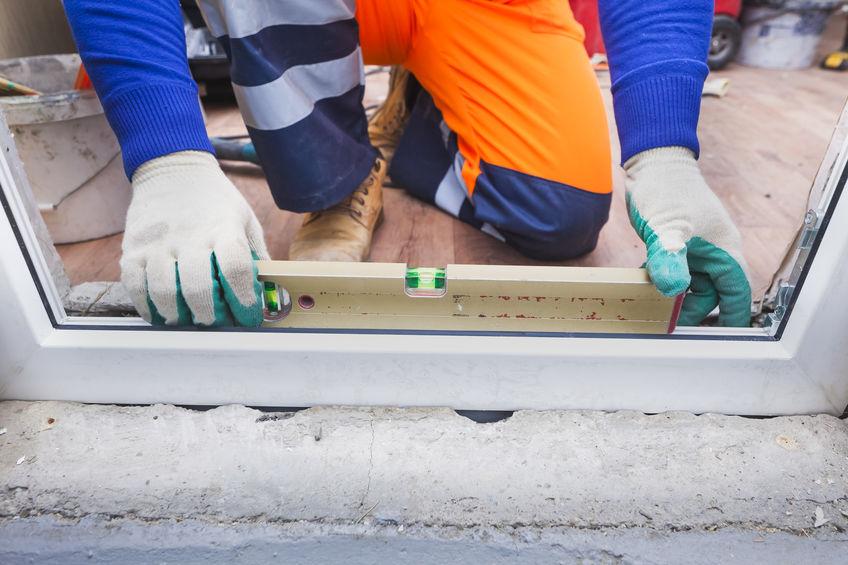
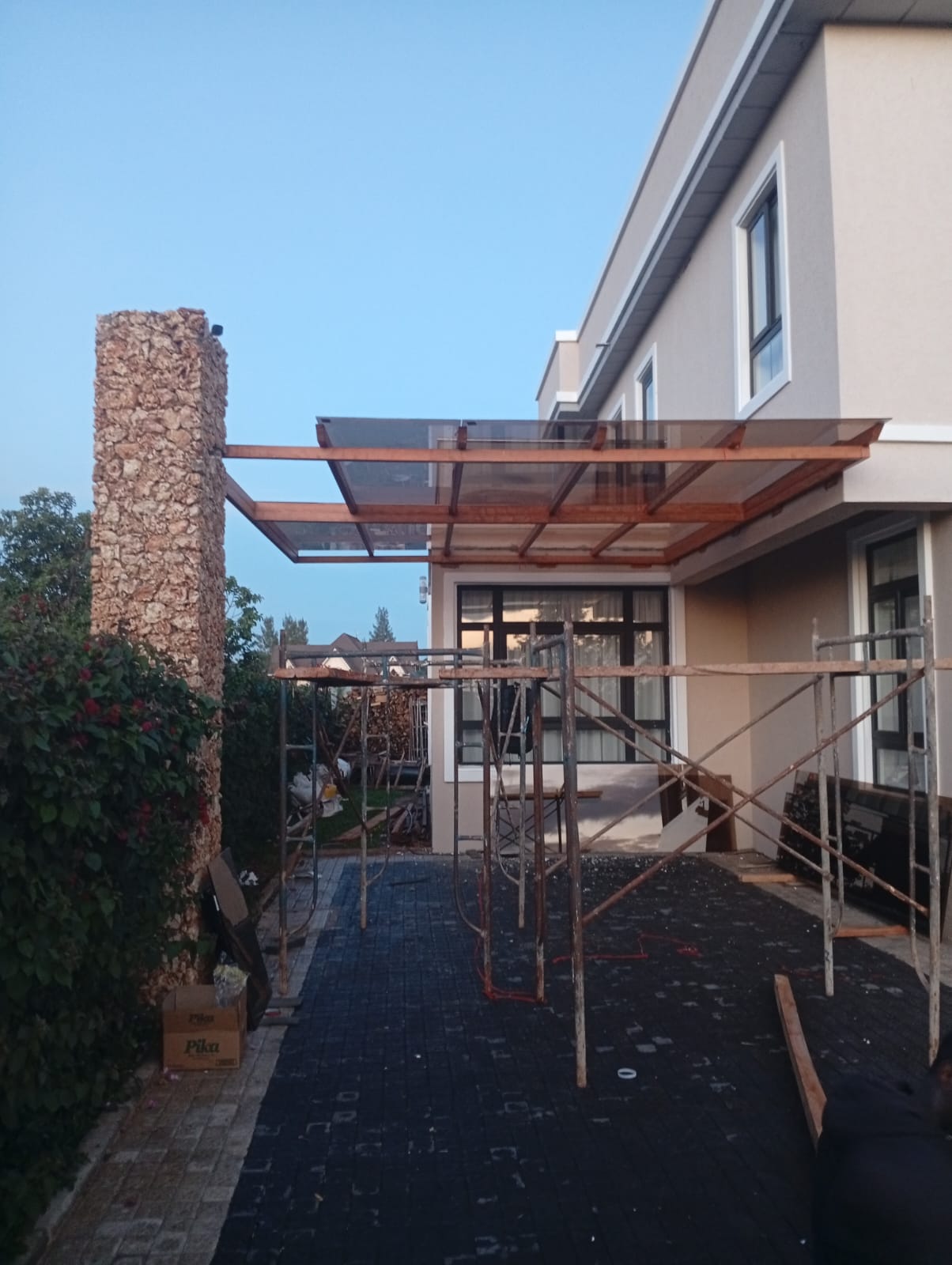
Installation costs increase depending on site access, building height, structural conditions, and project location.
Common Cost Drivers
- High-rise installation access
- Crane requirements
- Difficult transportation routes
- Structural modifications
Kenya Construction Reality
- Nairobi → tight urban spaces increase installation difficulty
- Mombasa → corrosion-resistant materials required
- Rift Valley → wind loads require reinforced systems
Does Finish Affect Cost?
Surface finishing methods such as powder coating and anodizing affect pricing because they improve durability, corrosion resistance, and appearance.
Common Finishes
- Powder-coated → wide color range
- Anodized → better corrosion resistance
- Wood finish → decorative appearance
How Do Imported Materials Affect Pricing?
Imported aluminium profiles, fittings, and specialized glass systems generally cost more due to shipping, taxes, and currency fluctuations.
Imported Systems Offer
- Better finishing quality
- Improved structural performance
- Longer lifespan
Environmental Factors That Affect Value
Nairobi
- Dust affects sliding tracks and seals
- UV exposure impacts coatings
Coastal Regions
- Salt air accelerates corrosion
- Marine-grade systems recommended
High-Wind Areas
- Require thicker glass
- Stronger anchoring systems
Aluminium and Glass Specifications
| Parameter | Specification |
|---|---|
| Frame Material | Aluminium |
| Glass Types | Tempered / Laminated |
| Finish | Powder-coated / Anodized |
| Applications | Windows, doors, facades |
| Lifespan | 15–30 years |
| Maintenance | Low to moderate |
How Can You Reduce Costs?
- Use standard sizes where possible
- Avoid unnecessary customization
- Choose practical systems for your building type
- Plan openings early during construction
- Work with experienced fabricators
Explore systems: Window Solutions Portfolio | Door Systems Portfolio
Frequently Asked Questions (FAQs)
Why are aluminium systems expensive?
Because material quality, fabrication precision, and hardware significantly affect performance and durability.
Which glass costs the most?
Double-glazed and laminated glass systems are typically the most expensive.
Does frameless glass cost more?
Yes, due to premium fittings and precision installation requirements.
What affects installation cost most?
Building height, access difficulty, and system complexity.
Work With Formlab Kenya
For professionally fabricated aluminium and glass systems designed for Kenyan conditions:
Contact Formlab Kenya
About Formlab
View Portfolio
hmk@formlab.co.ke
+254 721 778844
Sameer Park, Mombasa Road, Syokimau, Nairobi