Aluminium Windows Kenya: Types, Prices & Installation Guide 2026
FormLab Administrator May 4, 2026 6 min read
Aluminium Windows in Kenya: Types, Prices & Installation Explained
Aluminium Windows Kenya have become a core element of modern construction across residential homes, commercial buildings, offices, retail spaces, and high-rise developments. Their popularity continues to grow due to their durability, slim modern profiles, low maintenance requirements, and ability to adapt to Kenya’s diverse environmental conditions.
This guide provides a complete breakdown of aluminium windows in Kenya—from types and pricing to installation processes, technical considerations, and real on-site insights based on actual construction environments in Nairobi, Mombasa, and other regions.
What are aluminium windows in Kenya?
Aluminium windows in Kenya are advanced window systems constructed using lightweight aluminium frames combined with glass panels such as tempered or laminated glass, designed to provide durable, secure, and modern architectural openings for buildings.
They are widely preferred in both residential and commercial construction because they offer long-term performance with minimal maintenance.
Unlike timber or mild steel, aluminium:
Does not warp or crack
Does not rust or attract termites
Performs well in humid, coastal, and dry climates
Common applications include:
Residential apartments and private homes
Commercial office buildings
Retail and shopfront glazing
Schools, hospitals, and institutions
High-rise curtain wall systems
Explore systems:
Aluminium Windows Portfolio
Sliding Windows Solutions
What are the types of aluminium windows in Kenya?
The main types of aluminium windows in Kenya include sliding, casement, awning, fixed, bifold, and tilt-and-turn systems, each designed for specific functional, spatial, and architectural requirements.
Window selection depends on ventilation needs, design style, space availability, and budget.
1. Sliding Aluminium Windows
Sliding windows operate horizontally on tracks and are ideal for space-efficient environments.
Space-saving design
Smooth and easy operation
Common in urban apartments and offices
View Sliding Windows
2. Casement Windows
Casement windows are hinged and open outward, offering excellent airflow and sealing.
Strong ventilation control
Excellent dust and rain sealing
Popular in residential homes
View Casement Windows
3. Awning Windows
These open outward from the bottom, allowing ventilation even during light rain.
Weather-friendly design
Ideal for kitchens and bathrooms
View Awning Windows
4. Fixed Windows
Fixed windows do not open and are mainly used for lighting and aesthetics.
Maximum natural lighting
No ventilation function
Common in façades and stairwells
View Fixed Windows
5. Bifold Windows
Bifold systems fold fully open to create large open spaces.
Premium architectural design
Seamless indoor-outdoor connection
View Bifold Windows
6. Tilt & Turn Windows
A dual-function European-style system offering flexible operation.
Tilt for controlled ventilation
Full inward opening option
High-end architectural applications
View Tilt & Turn Windows
How much do aluminium windows cost in Kenya?
Aluminium windows in Kenya typically cost between KSh 8,000 and KSh 25,000 per square metre, depending on window type, aluminium profile quality, glass thickness, and installation complexity.
Pricing varies because every project is custom-designed based on architectural requirements and site conditions.
Aluminium Windows Kenya Price Overview
Window TypePrice Range (Per m²)Sliding WindowsKSh 8,000 – 15,000Casement WindowsKSh 10,000 – 18,000Awning WindowsKSh 12,000 – 20,000Fixed WindowsKSh 8,000 – 14,000Bifold WindowsKSh 18,000 – 25,000Tilt & Turn WindowsKSh 20,000 – 30,000
What influences pricing?
Type of glass (tempered vs laminated)
Aluminium profile thickness and grade
Powder coating or anodized finish
Hardware quality (locks, hinges, rollers)
Installation complexity and site conditions
Related insights:
About Formlab Kenya
Contact for Pricing
How is aluminium window installation done in Kenya?
Aluminium window installation in Kenya involves precise measurement, fabrication, frame fixing, glass installation, sealing, alignment, and finishing to ensure durability, waterproofing, and smooth functionality.
Installation quality directly affects performance, durability, and aesthetics.
Step-by-step installation process:
Site measurement and structural assessment
Fabrication of aluminium frames and glass cutting
Site preparation and delivery
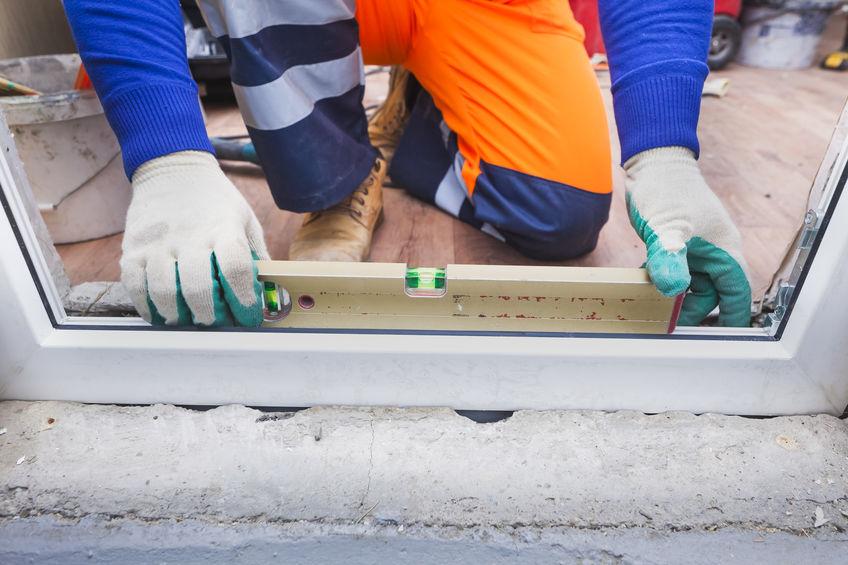
Frame fixing and leveling
Glass installation and sealing
Hardware fitting and adjustment
Final inspection and finishing
Real installation insights in Kenya
Nairobi sites often require dust control during sealing
Coastal areas require corrosion-resistant fittings
Older buildings may need wall leveling before installation
Related systems:
Sliding Doors & Windows
Glass Curtain Walling
What factors affect aluminium window prices in Kenya?
Aluminium window pricing in Kenya is influenced by material quality, glass selection, design complexity, installation environment, and labour requirements.
1. Glass Type
6mm standard glass → economical
10–12mm tempered glass → stronger
Laminated glass → premium safety
2. Aluminium Profile Quality
Standard profiles → budget-friendly
Thermal break profiles → energy efficient but expensive
3. Location Impact
Nairobi → moderate complexity
Mombasa → corrosion-resistant materials required
Remote areas → higher logistics cost
4. Design Complexity
Simple sliding systems → lower cost
Custom façade systems → higher cost
5. Installation Requirements
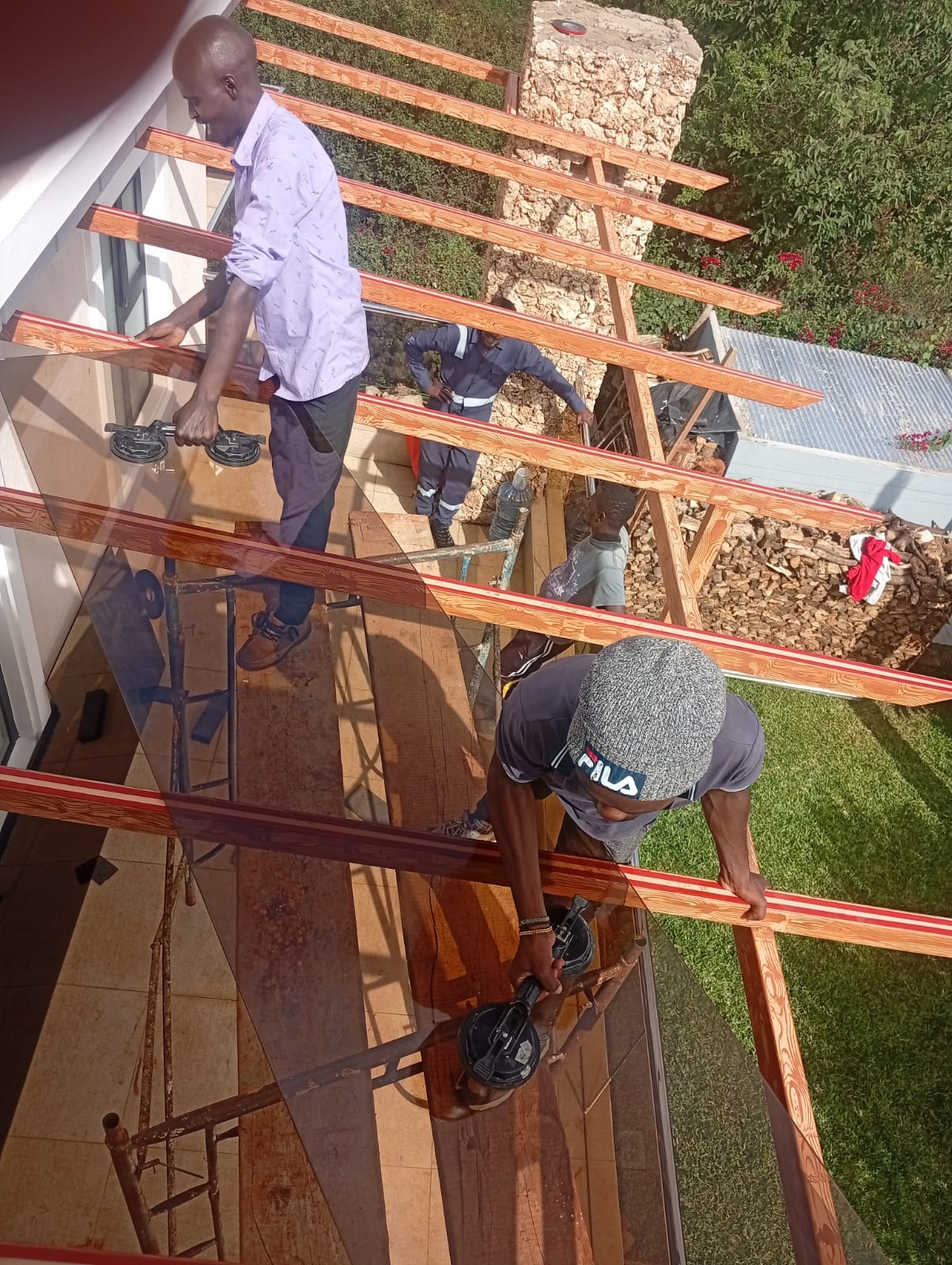
High-rise buildings require scaffolding
Precision alignment increases labour cost
Aluminium windows vs other materials in Kenya
Aluminium windows outperform timber and steel due to their durability, corrosion resistance, modern aesthetics, and low maintenance requirements, making them the preferred choice in Kenya’s construction industry.
Comparison Table
MaterialDurabilityMaintenanceCostPerformanceAluminiumHighLowMediumExcellentTimberMediumHighMediumModerateSteelHighHighHighGood
Why aluminium dominates in Kenya:
No termite damage
No rusting in coastal environments
Longer lifespan (10–20 years)
Modern architectural appeal
Kenyan environmental impact on aluminium windows
Kenya’s diverse climate conditions—ranging from coastal humidity to Nairobi dust and high UV exposure—significantly affect aluminium window performance and require proper material selection.
Nairobi:
Dust accumulation affects sliding mechanisms
UV exposure may fade low-quality finishes
Coastal Kenya:
Salt corrosion requires marine-grade aluminium
Higher maintenance recommended
Rift Valley & windy zones:
Strong winds require reinforced frames
Structural anchoring is critical
Specifications of aluminium windows
Aluminium Windows Kenya typically use tempered or laminated glass with powder-coated aluminium frames designed for durability, weather resistance, and long-term performance.
Technical Specifications Table
Parameter Specification Frame Material Aluminium (powder-coated)Glass Type Tempered Laminated Thickness6mm – 12mmAcoustic PerformanceMedium – HighUV ResistanceHighLifespan10–20 yearsMaintenanceLow
Common mistakes in aluminium window installation
Poor installation decisions such as selecting low-quality profiles, incorrect measurements, and unskilled labour significantly reduce performance and lifespan of aluminium windows.
Key mistakes:
Choosing cheapest supplier only
Ignoring environmental conditions
Poor sealing causing leakage
Incorrect alignment affecting sliding systems
FAQs about Aluminium Windows Kenya
1. What is the cost of aluminium windows in Kenya?
They cost between KSh 8,000 and KSh 25,000 per square metre depending on type and specifications.
2. Are aluminium windows durable?
Yes, they can last 10–20 years with minimal maintenance.
3. Which is better: sliding or casement?
Sliding saves space, while casement provides better ventilation.
4. Do aluminium windows rust?
No, aluminium is naturally corrosion-resistant.
5. What glass is used?
Tempered and laminated safety glass is commonly used.
6. How long does installation take?
Typically 2–7 days depending on project size.
7. Are they energy efficient?
Yes, especially with double-glazed or insulated systems.
Conclusion of Aluminium Windows Kenya
Aluminium windows in Kenya are a long-term architectural solution combining durability, modern design, and environmental adaptability. Their performance depends heavily on correct material selection, professional installation, and understanding of site conditions.
Choosing the right system ensures better comfort, lower maintenance, and higher property value over time.
Call to Action
Contact Formlab Kenya
hmk@formlab.co.ke
+254 721 778844
Sameer Park, Mombasa Road, Syokimau, Nairobi
Mon–Fri: 08:00 – 17:30 | Sat: 08:00 – 12:00
Design-to-build aluminium and glass solutions tailored for Kenya’s construction environment.