Toughened vs Laminated Glass in Kenya: Complete Guide
Glass selection is one of the most important decisions in modern construction in Kenya, especially for windows, doors, façades, partitions, and balustrades. The two most commonly used safety glass types are toughened (tempered) glass and laminated glass.
This guide explains how they differ, where each is used, and which is best depending on safety, durability, cost, and Kenyan environmental conditions.
What is Toughened Glass?
Toughened glass is a heat-treated safety glass processed under high temperatures and rapidly cooled to increase strength. When it breaks, it shatters into small blunt fragments instead of sharp shards.
Common uses include:
- Shower enclosures
- Doors
- Interior partitions
- Windows
What is Laminated Glass?
Laminated glass is made by bonding two or more layers of glass with an interlayer (PVB or EVA). When broken, the glass remains attached to the interlayer.
- Glass façades
- Balustrades
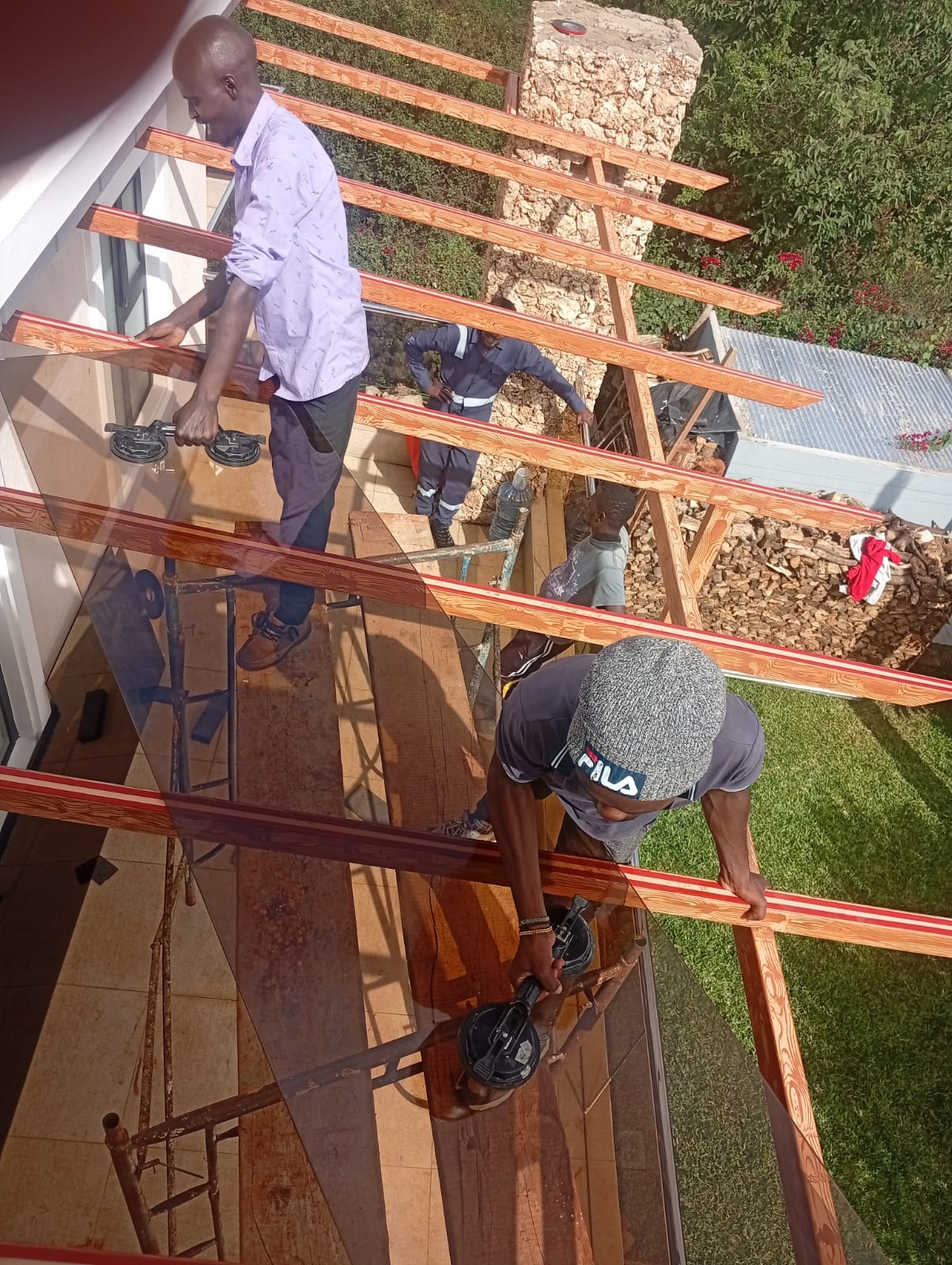
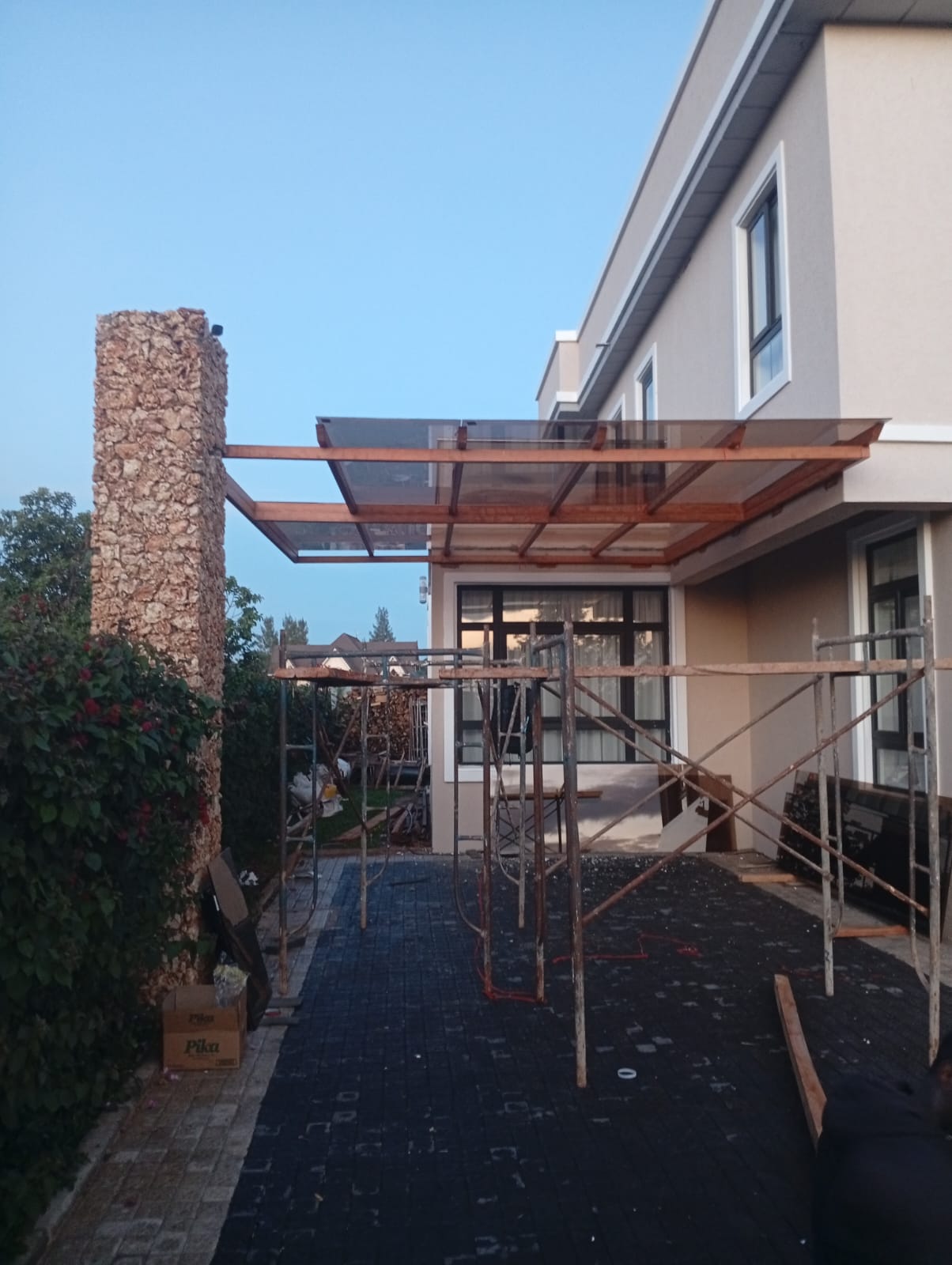
- Skylights
- High-rise installations
Toughened vs Laminated Glass: Key Difference
- Toughened Glass: Stronger under impact, breaks into small pieces
- Laminated Glass: Holds together after breakage, safer for elevation
In Kenya, toughened glass is used mostly indoors, while laminated glass is preferred for façades and safety-critical areas.
Where is Toughened Glass Used in Kenya?
- Shower screens
- Sliding doors
- Office partitions
- Casement windows
Related systems:
Where is Laminated Glass Used in Kenya?
- Glass balustrades
- Curtain walls
- Skylights
- High-rise façades
Explore façade systems:
Safety Performance Comparison
- Toughened Glass: Breaks into small safe fragments
- Laminated Glass: Stays intact after breakage
Which Glass is Better for Kenyan Climate?
Nairobi
Toughened glass works well for interiors due to moderate conditions.
Mombasa (Coastal)
Laminated glass is preferred due to humidity and salt exposure.
Rift Valley
Laminated glass is better for wind resistance and structural safety.
Cost Comparison in Kenya
Toughened glass is more affordable, while laminated glass costs more due to its layered structure and interlayer materials.
Durability Comparison
- Toughened Glass: Excellent for impact resistance
- Laminated Glass: Superior safety after breakage
Maintenance
- Toughened glass: Low maintenance
- Laminated glass: Low–moderate maintenance (edge inspection required)
Specifications Table
| Parameter | Toughened Glass | Laminated Glass |
|---|---|---|
| Structure | Single heat-treated pane | Multi-layer bonded glass |
| Breakage | Shatters into small pieces | Holds together |
| Safety | High | Very High |
| Cost | Lower | Higher |
| Best Use | Interiors | Façades / Balustrades |
Common Mistakes in Kenya
- Using toughened glass in overhead applications
- Ignoring wind load requirements
- Choosing based on cost only
Which One Should You Choose?
Toughened glass is best for interior applications, while laminated glass is best for structural and safety-critical exterior applications.
- Interior use → Toughened glass
- Exterior use → Laminated glass
FAQ
1. Is toughened glass safe for homes?
Yes, it breaks into small safe fragments.
2. Is laminated glass stronger?
It is safer after breakage but not stronger in impact resistance.
3. Which glass is best for balconies?
Laminated glass.
4. Can toughened glass be cut?
No, it cannot be modified after processing.
5. Is laminated glass more expensive?
Yes, due to its layered structure.
Why Choose Formlab Kenya?
Formlab Kenya provides expert glass selection and fabrication tailored to Kenyan construction conditions.
Email: hmk@formlab.co.ke
Phone: +254 721 778844
Location: Sameer Park, Mombasa Road, Syokimau, Nairobi
Hours: Mon–Fri 08:00–17:30 | Sat 08:00–12:00