What Is Aluminium Fabrication Kenya? A Complete Beginner’s Guide
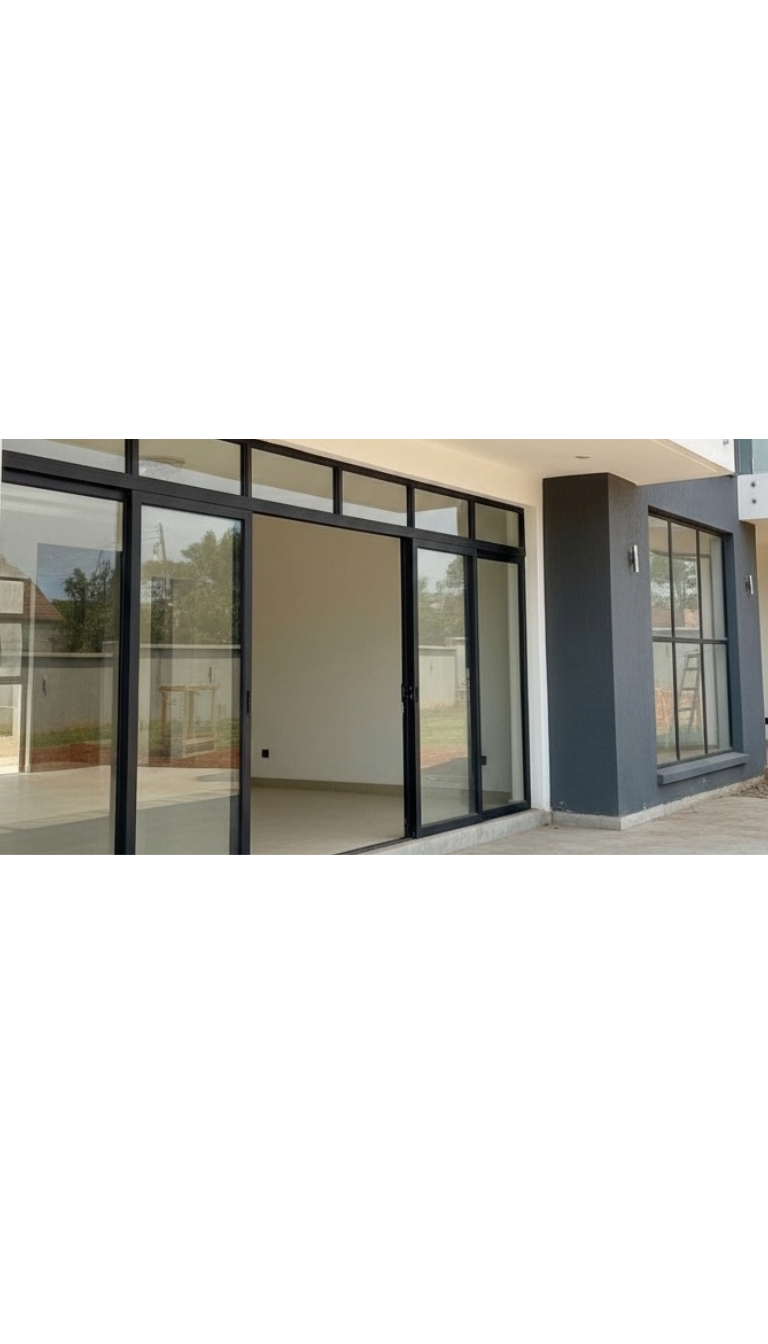
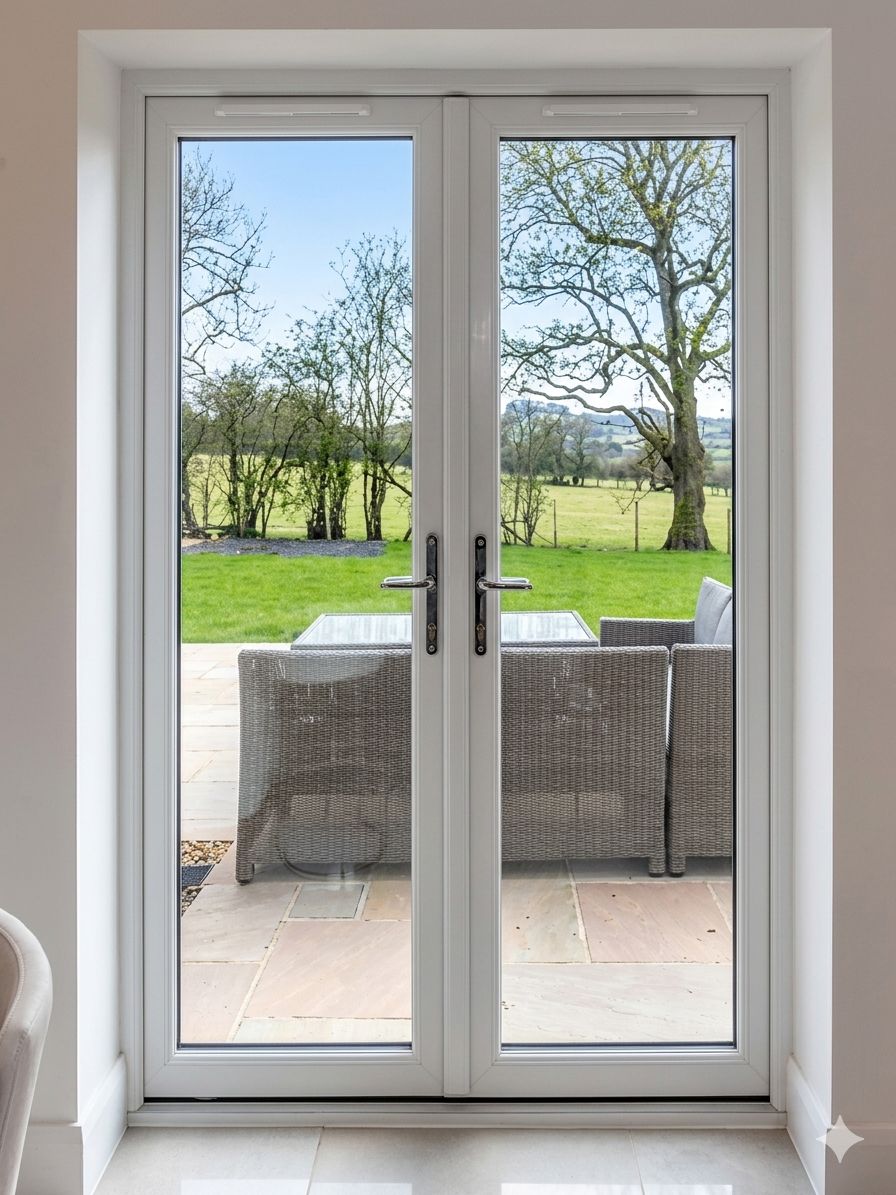
Aluminium fabrication in Kenya is the process of cutting, shaping, assembling, and finishing aluminium into functional building components such as windows, doors, partitions, and façade systems.
It transforms raw aluminium profiles into engineered architectural solutions used in construction and interior design. In Kenya, aluminium fabrication is a core part of modern construction, especially in urban developments.
Companies like Formlab Kenya integrate fabrication with design and installation to ensure systems are both practical and aesthetically aligned.
How does aluminium fabrication work?
Aluminium fabrication follows a structured workflow to ensure precision and durability.
Step-by-step fabrication process
- Site measurement and assessment
- Design drafting and system selection
- Cutting aluminium profiles
- Machining (drilling and shaping)
- Assembly and joining
- Glass integration
- Surface finishing (powder coating or anodizing)
- Quality inspection
Explore practical systems:
What are the main aluminium fabrication methods?
- Cutting: Precision sizing of profiles
- Extrusion shaping: Uniform profile creation
- Welding: Joining structural components
- Mechanical fastening: Screws and connectors
- CNC machining: High-precision shaping
What materials are used in aluminium fabrication?
- Aluminium profiles (6063-T5)
- Tempered glass
- Laminated glass
- Rubber seals (EPDM)
- Stainless steel fasteners
- Powder-coated or anodized finishes
Specifications Table: Aluminium Window System
| Parameter | Specification |
|---|---|
| Frame Material | Aluminium (6063-T5) |
| Glass Type | 6–10mm tempered |
| Finish | Powder-coated |
| Thermal Performance | Medium–High |
| Lifespan | 10–20 years |
| Maintenance | Low |
Where is aluminium fabrication used in Kenya?
- Office glass partitions
- Residential sliding windows
- Shopfront systems
- Balcony balustrades
- Glass curtain walling
Explore real installations:
What is the cost of aluminium fabrication in Kenya?
Costs depend on material quality, design complexity, and installation requirements.
- Aluminium profile thickness
- Glass type
- Design complexity
- Hardware quality
- Installation conditions
Aluminium fabrication vs steel fabrication
| Feature | Aluminium | Steel |
|---|---|---|
| Weight | Lightweight | Heavy |
| Corrosion resistance | High | Low |
| Maintenance | Low | Medium–High |
| Aesthetic use | Modern designs | Industrial look |
How Kenyan climate affects aluminium systems
Nairobi
- Dust accumulation
- UV exposure affects seals
Mombasa
- Salt corrosion risk
- Requires marine-grade coating
Rift Valley
- High wind loads
- Requires reinforced systems
Installation process for aluminium systems
- Site preparation
- Frame alignment
- Glass installation
- Hardware fixing
- Inspection and testing
Explore installation-ready systems:
Quality standards and compliance in Kenya
- Use of safety glass
- Wind load resistance
- Proper anchoring
- Structural testing
Maintenance and durability
- Regular cleaning
- Lubrication of moving parts
- Seal inspection
- Recoating when necessary
Common mistakes in aluminium fabrication
- Using low-quality profiles
- Incorrect glass thickness
- Poor installation sealing
- Ignoring environmental factors
Explore more
FAQ: Aluminium fabrication explained
What is aluminium fabrication?
It is the process of shaping aluminium into building components like windows and doors.
Is it expensive in Kenya?
Costs vary depending on design and materials.
How long does it take?
Typically 1–4 weeks depending on complexity.
Is aluminium better than steel for windows?
Yes, due to its lightweight and corrosion resistance.
What is the lifespan?
10–20 years with proper maintenance.
Conclusion
Aluminium fabrication is a key part of modern Kenyan construction, enabling durable and aesthetically refined building systems. From windows to full glass façades, it connects design with real-world performance.
Contact Formlab Kenya
Email: hmk@formlab.co.ke
Call/WhatsApp: +254 721 778844
Location: Sameer Park, Mombasa Road, Syokimau, Nairobi
Hours: Mon–Fri 08:00 – 17:30 | Sat 08:00 – 12:00